Introduction to the fundamental theories of imaging, including geometric optics, colorimetry, radiation and luminescence, and photometry。
Module Introduction
The optical knowledge yes understands「How the image is formed」. This article does not aim at the stacking of formulas, while Yes uses geometric optical, colorometry, radiation-emitting and photometric science as a frame of judgement that is often used by drive/ ISP engineers on the day.。
Geometric optical: using light as a tool
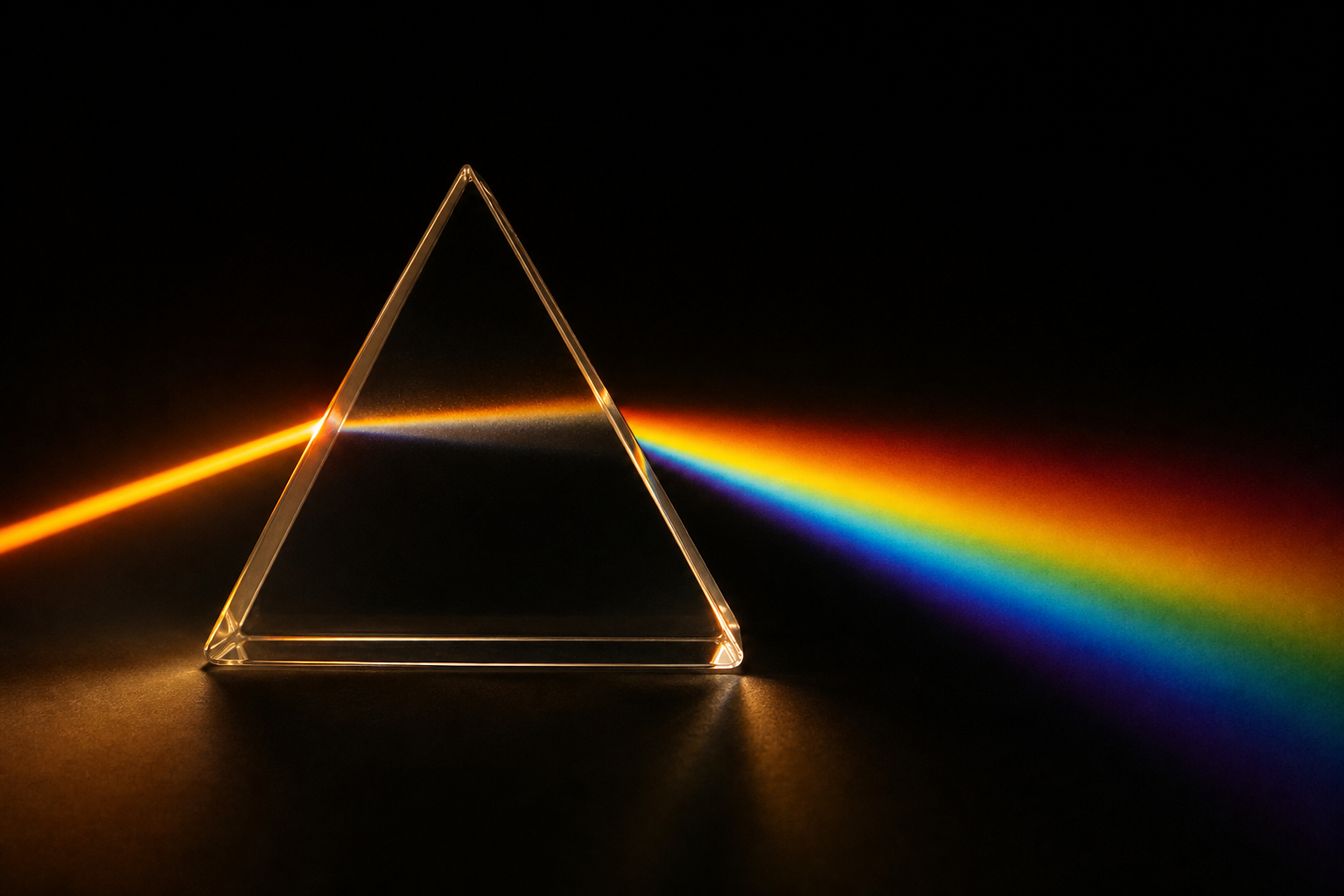
Geometric optical models describe the transmission patterns, ignoring the fluctuations. Reflecting, refraction and imaging are direct parameters for the engineering of pupils, depths, maximum imaging circles, etc., and explaining the dysentery caused by the CRA mismatch, the dark corner of the Peripheral caused by the MIC deficiency.。
Straight-line transmission, reflection and refraction: the basis for Lens' selection and optical analysis
In / out: Impact relative sense matches sensor
Deep and Focal plane: the key constraints of the focus strategy and the microscopic scene
Colorography: a「Feels.」To Calculable
The colorology is centred on the CIE system, which converts subjective colour perception into quantifiable physical measure. Three irritant values, colour coordinates, colour and homogeneity spectrum, yes AWB/ CCM with the Total displays.Language。
Radiation, luminous and photometric
The light source is based on the bold radiation theory, which allows for understanding of spectral features such as LED, aphid lamps, fluorescent lamps, etc. The optical theory is that Passed's eye view function uses radiation to map the radiation to a sense of brightness, lightness, etc.。
Knowledge needs to be applied to project optimization.?
Tell us about the platform, sensor, and target scenario, and Lexuebowen will provide the driver and ISP engineering support.。